
Ledger Live App Review – Manage Your Crypto Like a Pro
Managing digital assets requires a tool that balances control with ease of use. This Ledger Live app review shows how one platform combines portfolio tracking with secure transactions. Many users seek a single interface for sending, staking, and swapping coins. Ledger Live app review – Manage Your Crypto Like a Pro answers that need through a desktop and mobile solution. Designed for beginners and experts alike, it connects to hardware wallets for added safety. You can monitor balances, execute trades, and earn rewards without exposing private keys. This review examines every core feature to help you decide if it fits your strategy.
What Makes Ledger Live Different From Other Wallets
Software wallets typically store keys on an internet connected device. Ledger Live changes that approach by pairing with a cold storage device. Downloading the ledger suite gives you a dashboard that never holds funds directly. Transactions must be confirmed on the hardware itself. This setup blocks remote hacks and phishing attempts. Other apps might offer similar charts, but none match this level of physical verification. Using a wallet means trusting the interface to display accurate data. Ledger Live pulls information from blockchain nodes without compromising your seed phrase. That distinction matters for anyone holding significant value.
Cold Storage Integration
Keeping crypto offline prevents theft from malware or browser exploits. Ledger Live acts as the window into your cold wallet. You see balances and transaction history without ever moving keys to the phone or computer. Each outgoing transfer requires a button press on the device. This two factor approach stops unauthorized sends even if the app is compromised.
Multi Blockchain Support
Managing Bitcoin, Ethereum, Solana, and over 100 other coins from one place reduces complexity. Ledger Live installs separate apps for each blockchain on the hardware. The interface shows combined portfolio value across all networks. Adding a new coin takes seconds inside the app manager.
Setting Up Your Account and First Wallet
Starting with the app takes less than ten minutes. Download Ledger app installation from the official store. Connect your device via USB or Bluetooth. The onboarding wizard guides you through creating a new seed or restoring an existing one. Write down the 24 word recovery phrase on paper. Never store it digitally. After setup, the dashboard loads your portfolio with a zero balance. Send a small test transaction from an exchange to confirm everything works. This first experience sets the tone for reliable daily use.
Downloading and Installing
Windows, macOS, Linux, iOS, and Android versions are available. Download only from the official ledger website or app store. Verify the file signature if using a desktop. Installation takes about two minutes. Open the app and follow the prompts to initialize your device.
Restoring an Existing Seed
If you already own a hardware wallet, choose restore instead of new setup. Enter each word from your 24 word phrase using the device buttons. The app will then scan the blockchain for your transaction history. All previous balances and tokens appear immediately.
Exploring the Dashboard and Portfolio View
After setup, the main screen shows your total balance in fiat currency. Ledger Live portfolio management gives a clear breakdown by asset. Each coin appears with its current value, 24 hour change, and percentage of your total holdings. Clicking any asset opens a detailed chart with price history and transaction list. You can hide small balances or sort by value. The graph at the top shows allocation across Bitcoin, Ethereum, altcoins, and stablecoins. This overview helps you spot rebalancing opportunities without exporting data to a spreadsheet.
Transaction History Filtering
Every send and receive logs automatically with timestamps and confirmations. Filters let you view only deposits, withdrawals, or swaps. Searching by date range or specific address is supported. Exporting to CSV is available for tax reporting.
Price Alerts and Watchlists
Set alerts for price movements on any supported coin. Receive notifications when an asset hits your target. Watchlists allow tracking coins you do not yet own. This feature helps you monitor entry points without juggling multiple exchange apps.
Using Ledger Live Swap for Instant Trades
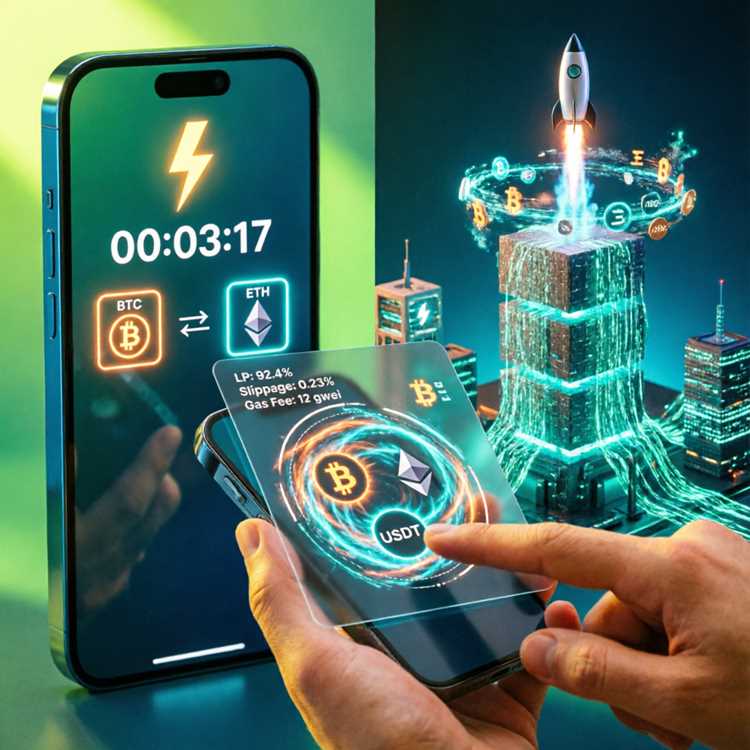
Exchanging one cryptocurrency for another usually involves sending to an exchange. Ledger Live swap changes that by integrating multiple liquidity providers. Select the asset you want to sell and the asset you want to buy. The app shows a fixed rate and estimated arrival time. Confirm the transaction on your hardware device. The swap executes directly from your wallet to your wallet. No deposit or withdrawal steps exist. Supported pairs cover Bitcoin, Ethereum, USDC, USDT, and many altcoins. Fees vary by provider but remain competitive with centralized exchanges.
How Swap Protects Your Funds
During a swap, funds never leave your control until the trade executes. The hardware device signs the transaction. If the rate changes before confirmation, you can reject the trade. This setup eliminates deposit risks associated with exchange wallets.
Limits and Supported Regions
Minimum swap amounts start around $20. Maximum limits depend on the provider and your verification level. Some regions restrict certain pairs due to local regulations. Check availability within the app before planning large trades.
Earning Passive Income Through Staking
Holding proof of stake coins lets you earn rewards for securing the network. Ledger Live staking simplifies this process with a few clicks. Supported assets include Tezos, Cosmos, Polkadot, Solana, and Cardano. Choose a validator from the list inside the app. Delegate your coins directly from your hardware wallet. Rewards accumulate automatically and appear in your portfolio. Unstaking periods vary by blockchain, ranging from zero days for Tezos to 28 days for Polkadot. The app tracks your estimated annual percentage yield in real time.
Choosing a Validator
Validator selection affects your rewards and network health. Look for operators with high uptime and reasonable commission rates. Ledger Live shows each validator’s performance history. You can switch validators at any time with a small transaction fee.
Reward Management
Claimed rewards add to your staked balance or remain available for trading. The dashboard shows total rewards earned and a daily average. Compound your earnings by restaking periodically. Tax implications vary by jurisdiction, so consult a professional.
Mobile App Features for On the Go Management
Managing crypto away from your desk requires a capable mobile tool. Ledger Live mobile app mirrors desktop functionality with a touch friendly interface. Bluetooth connection to the Ledger Nano X enables signing transactions wirelessly. Check balances, send payments, and swap coins from anywhere. The mobile version supports QR code scanning for receiving addresses. Push notifications alert you to incoming transfers and price movements. Battery usage stays low because the app does not constantly sync. This mobility suits travelers and those who trade during market movements.
Bluetooth Pairing Steps
Enable Bluetooth on your phone and open the Ledger Live app. Hold the Nano X close and press both buttons. Select the device from the app’s connection menu. Pairing takes about ten seconds. After that, all transactions require a physical button press on the device.
Mobile Only Features
Camera based address scanning reduces manual entry errors. Biometric login via fingerprint or face ID speeds up access. Widgets on the home screen show portfolio value without opening the app. These additions make mobile management faster than desktop in many scenarios.
Security Features and Hacker Protection
Hardware wallets provide the strongest defense against digital theft. Ledger hacker protection relies on a secure element chip. This chip isolates private keys from the main processor. Even if malware infects your computer, the keys remain unreachable. Phishing attacks targeting the app are blocked by requiring device confirmation for every transaction. Regular firmware updates patch potential vulnerabilities. The recovery phrase can be secured with optional passphrase support for an extra layer. Physical possession of the device remains essential. No online attack can drain funds without the hardware and PIN.
Secure Element Chip Functions
This specialized chip stores private keys in a segregated area. It performs cryptographic operations without exposing data to the operating system. Banks use similar chips for credit card security. Ledger applies the same standard to cryptocurrency wallets.
Passphrase and Recovery Options
Add a passphrase to your seed phrase for hidden wallet functionality. This creates a completely separate set of addresses. Memorize the passphrase because it is not stored on the device. Losing both the seed and passphrase results in irreversible loss.
Guides and Educational Resources
New users need clear instructions for advanced operations. The Ledger NFT guide explains how to store non fungible tokens securely. Separate tutorials cover DeFi connections and dApp usage. Video walkthroughs show each step for staking and swapping. The support database addresses common errors and troubleshooting. Community forums provide user generated tips. Learning resources help beginners avoid costly mistakes like sharing seed phrases or sending to wrong networks. Using a ledger wallet becomes easier with these reference materials.
Video Tutorial Library
Official YouTube channel covers setup, recovery, and advanced features. Each video runs under ten minutes. Subtitles are available in multiple languages. Playlists organize content by topic for quick access.
In App Help Center
Tap the question mark icon to search for answers. Articles include screenshots and direct links to relevant settings. Most issues resolve without contacting support. Live chat is available during business hours for urgent problems.
Comparison With Desktop and USB Solutions
Choosing between wired and wireless setups depends on usage habits. Ledger USB desktop connections offer maximum stability for large transactions. The Nano S Plus model uses only USB and costs less. Nano X adds Bluetooth for mobile flexibility. Desktop software provides larger charts and multitasking. Mobile excels for quick checks and small sends. Both versions sync through the same recovery phrase. Your portfolio remains consistent across devices. Power users often keep both options active for different scenarios.
Table: Device Comparison
| Model | Price | Connectivity | Best For |
|---|---|---|---|
| Nano S Plus | $79 | USB only | Desktop users, budget buyers |
| Nano X | $149 | USB + Bluetooth | Mobile users, frequent travelers |
| Stax | $279 | USB + Bluetooth + touch screen | Premium collectors, high volume |
| Nano S (discontinued) | $59 | USB only | Basic storage, limited apps |
Hardware Build Quality and Long Term Use
Durability matters for a device you carry or store for years. Ledger hardware wallet build uses brushed stainless steel and hardened plastic. Buttons withstand thousands of presses. USB ports are reinforced against wear. The screen on the Stax model uses E ink for low power and readability. Devices survive drops from desk height without damage. Water resistance is not rated, so keep away from liquids. Battery life on Bluetooth models lasts several months with normal use. Replaceable batteries are not available, but devices typically outlast their warranty period. Build quality supports long term storage of assets without degradation.
Screen Lifespan and Visibility
OLED screens on Nano models maintain clarity for years. Brightness adjusts automatically in the latest firmware. E ink on Stax provides always on display without draining battery. All models are readable in direct sunlight.
Button and Port Testing
Each device undergoes factory testing for 100,000 button presses. USB C ports support repeated plugging cycles. Carrying cases include a key ring loop for attachment. Travel wear is minimal with proper storage in the included pouch.
Frequently Asked Questions About Ledger Live
Users often ask about compatibility and limitations. This section addresses common concerns with clear answers.
Can I use Ledger Live without a hardware device?
No. The app requires a hardware wallet to create accounts and sign transactions. Without a device, you can only browse public data.
Does Ledger Live support Bitcoin only?
No. It supports over 100 blockchains including Ethereum, Solana, and Polkadot. ERC20 tokens and BEP20 tokens are also compatible.
Is my seed phrase stored in the app?
No. The seed phrase exists only on the hardware device. The app stores encrypted account metadata but never private keys.
Can I swap tokens directly in the app?

Yes. Swap integrates multiple providers for instant crypto to crypto trades. Rates lock before confirmation.
What happens if I lose my Ledger device?
Order a new device and restore using your 24 word recovery phrase. All funds become accessible again immediately after restoration.
Do I need internet for staking?
Yes. Staking transactions require a connection to broadcast delegation. After delegation, rewards accumulate without continued internet access.
How do I update firmware?
Open Ledger Live and connect your device. Go to the manager section and follow update prompts. Always verify the update file signature.
Can I use one seed phrase on multiple devices?
Yes. Restore the same seed on multiple Nano devices. Each device will show identical accounts and balances.