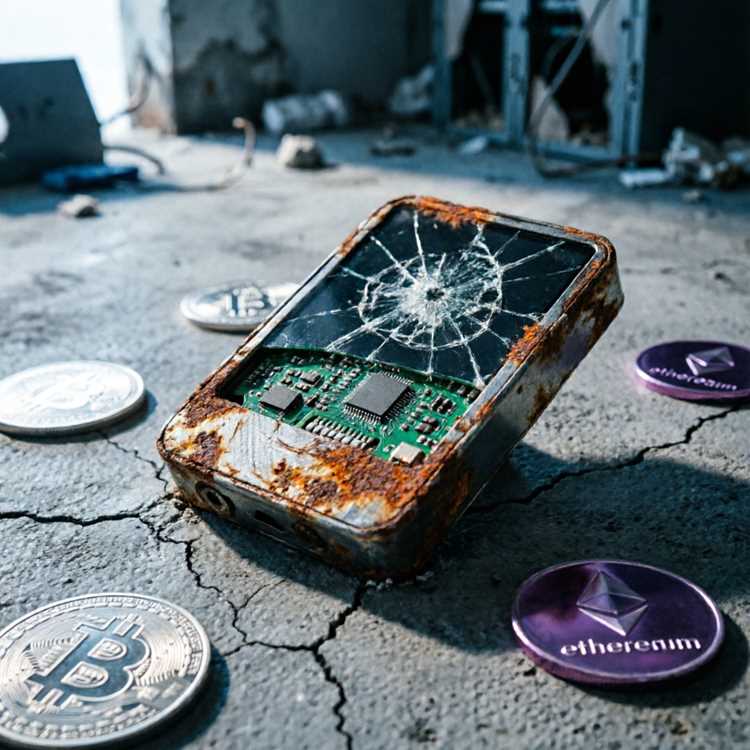
Ledger Wallet Durability: How Long Does a Ledger Device Last? That is a common question among crypto owners. A Ledger wallet stores private keys offline. Knowing its lifespan helps you protect your assets. Build quality varies across models. Materials, battery, and daily use all matter. This article examines each factor. We also cover care tips to extend device life.
What Factors Decide a Ledger Hardware Wallet Build?
Ledger Wallet Durability: How Long Does a Ledger Device Last? It depends on several variables. Physical components like chips and casing play a role. Environmental conditions also matter. Frequent plugging and unplugging wears the USB port. Battery cycles affect wireless models. The Ledger for new users should know these details before buying.
Build Materials and Their Impact
Ledger uses polycarbonate, stainless steel, and glass. Each material offers different toughness. Plastic parts can crack under force. Metal elements resist drops better. The screen on some models scratches more easily. Understanding material limits helps you choose.
Battery Aging in Wireless Models
Li‑ion batteries lose capacity over time. Full charge cycles reduce their life. A Nano X battery may last 3‑5 years. After that, the device still works when plugged in. Ledger wallet discount offers might include older stock with older batteries.
Port and Button Wear
USB‑C ports tolerate many insertions. Buttons on the Nano S Plus feel tactile. Over thousands of presses, they can stiffen. Keeping the device clean slows wear.
Ledger Nano X Build Quality and Real World Wear
Ledger Nano X build quality stands out among competitors. Its aluminum frame adds rigidity. Bluetooth antenna sits inside the plastic back. Daily carry in a pocket or bag is common. Scratches appear on the screen, but function stays intact.
Casing Strength and Surface Finish
The Nano X uses a matte plastic back. Metal front plate resists bending. Dropping from waist height often leaves no damage. Corners absorb impact well. Users report minor scuffs after one year.
Battery Performance Over Time
Charging cycles number around 500 before noticeable drop. A two‑year‑old device holds about 80% of original charge. Using battery‑saving modes extends this. Ledger Live desktop can help monitor battery status.
Screen Durability and Display Issues
OLED screens can suffer burn‑in if static. Ledger uses a low‑refresh display to avoid this. Straight sunlight may reduce visibility temporarily. No permanent damage reported from normal use.
Ledger Nano S Plus Durability Compared to Other Models
Ledger Nano S Plus durability is impressive for its price point. The plastic shell feels solid. No battery means no aging cycles. Its USB‑C port is reinforced. This model often outlives wireless versions.
Physical Dimensions and Portability
Size is smaller than the Nano X. Weight is lighter due to no battery. Fits easily on a keychain. The metal loop is sturdy. Everyday carry does not stress the enclosure.
Drop Resistance and Impact Tests
User reports show the Nano S Plus survives falls from 1.5 meters. The internal PCB is potted for shock protection. Screen is flush with the body. Cracks appear only after very hard knocks.
Longevity of the USB‑C Port
Rated for 10,000 insertions. Daily plugging gives about 27 years of use. Dust buildup can cause connection issues. Cleaning with compressed air restores function.
Ledger Stax Materials and Design Longevity
Ledger Stax materials include recycled plastic and a curved E‑ink screen. This design aims for daily desktop use. The magnetic case keeps the device accessible. Scratches on the screen are less visible than on glass.
E‑Ink Screen Benefits
No backlight means low power draw. The screen only changes when you interact. No burn‑in risk. Bending the screen could cause permanent lines. Ledger recommends placing it on a flat surface.
Magnetic Cover and Hinge
Magnets hold the cover securely. Hinge movement is smooth. Over time, dust may weaken the magnet. Cleaning the contacts restores hold. The cover protects the screen during transport.
Recycled Plastic Durability
Plastic content is about 70% recycled. Material is less brittle than new plastic. Still, impact resistance is lower than metal. Avoid dropping on concrete. Carrying case provides extra protection.
Ledger Drop Test Insights and Real Results
Ledger drop test videos show varied outcomes. A Nano X dropped from pocket height (1.2m) onto tile often survives. Corner impacts cause the most damage. Screens on the Stax are more vulnerable. Users should treat their device carefully.
Height and Surface Effects
Falls from 2 meters onto hard floors may crack the casing. Carpet reduces the risk. Concrete is the worst surface. Rubber bumpers help. Third‑party silicone cases add grip.
Internal Component Protection
Secure element chips are potted inside. They resist shock well. The main board flexes on impact. This absorbs energy. Most drops do not destroy the chip. Ledger firmware security remains intact even after a fall.
How to Test Your Own Device Safely
Never intentionally drop your wallet. Instead, inspect for cracks monthly. Check that buttons still click. Ensure the screen lights up. If you see damage, transfer funds to a new device immediately.
Battery Life and Charging Cycles on Ledger Devices
Battery life differs by model. Nano X lasts up to 8 hours on Bluetooth. Standby time reaches several weeks. Charging cycles number around 500 to 600. After that, capacity declines. The device still works when plugged in.
Typical Usage in Three Scenarios
- Daily use with Bluetooth on: charge every 2‑3 days.
- Weekly use via USB: battery lasts months.
- Storage mode: battery drains after 6 months.
Extending Battery Health
Keep charge between 20% and 80%. Avoid extreme temperatures. Do not leave it plugged in forever. Calibration every few months helps. Use Ledger recovery phrase backup in case of battery failure.
When to Replace the Battery
If the device stops holding a charge for even one transaction, consider replacement. Ledger offers battery swap services for Nano X. Other models require full replacement. Cost is around 30 USD.
Water and Dust Resistance: IP Ratings Explained
No Ledger model carries an official IP rating. They are not waterproof. Splash resistance exists but is not guaranteed. Dust can enter the USB port. Keeping the device dry is essential.
What Happens When Wet
Water can short the PCB. Corrosion may appear after drying. Saltwater is especially harmful. If exposed, power off immediately. Place in a bag of rice for 24 hours. Then test on a safe connection.
Protective Cases and Covers
Third‑party silicone cases add water resistance. Official Ledger cases offer limited protection. Avoid carrying in a pants pocket during rain. Store in a dry place.
Dust and Pocket Lint Prevention
USB ports collect lint. Clean with a wooden toothpick. Do not use metal tools. A port cover helps. Many users add a small cap.
How Software Updates Affect Ledger Wallet Durability
Software does not make hardware last longer. Updates fix bugs that could stress the device. New firmware may improve battery management. Ledger firmware security keeps your funds safe. Old firmware can cause slow performance, which users mistake for hardware failure.
Update Frequency and Impact
Ledger releases updates every few months. Installing them takes 5‑10 minutes. Skipping updates may lead to compatibility issues. The device requires a USB connection. No battery risk during updates.
Signs That Software Degrades Hardware
Rarely, an update may cause screen flicker. This is usually a software bug. Reinstalling firmware fixes it. If not, the display may be failing. Contact support for diagnosis.
Keeping Your Device Up to Date
Use Ledger Live desktop to check for updates. Always back up your recovery phrase first. Update in a secure environment. Never use public WiFi.
Signs Your Ledger Device Needs Replacement
Ledger lifespan ends when critical hardware fails. Watch for these indicators. Screen goes blank despite charge. Buttons stop responding. USB port is loose or broken. Battery swells or heats abnormally. Transfer your coins immediately.
How to Confirm Hardware Failure
- Try a different cable and computer.
- Reset the device using recovery mode.
- Test with a known‑good power source.
Steps to Transfer Funds Safely
- Obtain a new Ledger device.
- Use your recovery phrase to restore funds.
- Never enter the phrase into a computer.
- Destroy the old device securely.
Recycling and Disposal
Electronic waste should be recycled. Remove the battery before disposal. Check local e‑waste programs. Ledger does not offer trade‑in yet. Ledger store may have future programs.
Frequently Asked Questions About Ledger Lifespan
Below are common questions about Ledger wallet durability and hardware wallet build.
How long does a Ledger Nano X battery last?
Typically 3‑5 years of regular use. After that, capacity drops. The device still works when plugged into USB power.
Can a Ledger survive a drop onto concrete?
Sometimes yes, but not guaranteed. Nano X and Nano S Plus have better drop resistance than Stax. Use a protective case for risky environments.
Does Ledger Stax screen scratch easily?
The E‑ink screen is softer than glass. Scratches can appear from keys or coins. Use the included magnetic cover for protection.
What is the average Ledger lifespan in years?
Most devices last 5‑8 years. Battery models need replacement sooner. Models without a battery can last longer. Proper storage extends life significantly.
Where can I buy a discount Ledger wallet?
Check Ledger wallet discount pages for promotions. Holiday sales often offer 10‑20% off. Always buy from the official store.
Is Ledger better than Trezor for durability?
Ledger vs Trezor comparisons show similar build. Ledger uses metal for Nano X. Trezor uses plastic. Drop tests yield similar outcomes. Both require careful handling.
Can I use my Ledger to store NFTs safely?
Yes. Ledger NFT support works via Ledger Live. The hardware remains durable regardless of asset type. Store your recovery phrase offline.
| Accessory | Price (USD) | Compatible Models | Use Case |
|---|---|---|---|
| USB‑C to USB‑A Cable | 9.99 | Nano X, Nano S Plus, Stax | Replacement cable for charging and data |
| Leather Carry Case | 29.99 | Nano X, Nano S Plus | Protects against scratches and drops |
| Stax Magnetic Stand | 19.99 | Stax | Desktop display and charging |
| Nano X Battery Replacement Kit | 24.99 | Nano X | DIY battery swap |
| Metal Recovery Seed Plates | 49.99 | All models | Fireproof storage of recovery phrase |
| Silicone Protection Skin | 12.99 | Nano X, Nano S Plus | Adds grip and shock absorption |