
Beyond the Hype: Examining Real World Crypto Security
Every crypto user asks the same question. Is my money safe? Ledger Wallet Security: How Safe Is Your Crypto? Review answers this directly. We test claims against real threats. Many brands promise perfect safety. Ledger makes bold statements about its hardware. But what happens when hackers attack? Understanding Ledger wallet security starts with looking past marketing. It requires examining actual technology and past incidents. This review digs into the hardware, software, and human factors. We want to give you a clear, honest picture.
Hardware Isolation: Inside the Secure Element Chip
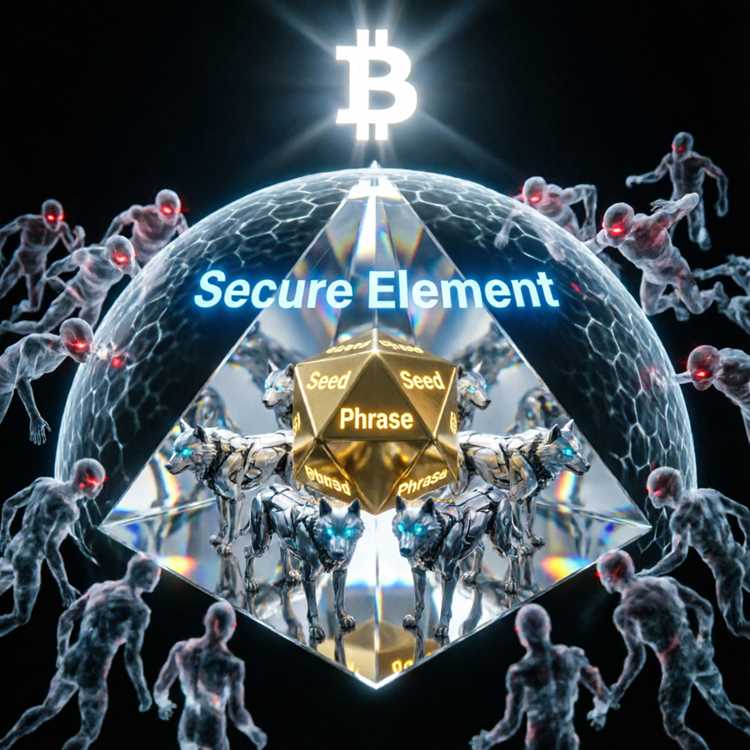
Ledger uses a special chip called a secure element. This is similar to chips in passports and credit cards. It stores your private keys in a safe location. The chip is designed to resist physical attacks. Even if someone steals your device, they cannot extract the keys. Ledger secure element technology is a core defense. It isolates critical data from the main processor. This means malware on your computer cannot reach your keys.
How the Secure Element Protects Keys
Your private keys never leave the chip. Every transaction is signed inside it. The computer only sees the signed transaction. This prevents software attacks. Physical attacks are also blocked. The chip has sensors that detect tampering. If someone tries to open the case, the chip erases data. Using a ledger wallet means relying on this hardware barrier. It adds a layer of protection software wallets cannot offer.
Comparing Secure Elements Across Models

Different Ledger models use different chips. The Nano S uses an older ST31 chip. The Nano X and S Plus use a newer ST33K1M3 chip. Newer chips have more memory and faster processing. Both types meet the same high security standards. Choosing a model depends on your needs. All models offer strong Ledger hardware wallet safety through this chip.
Limitations of the Secure Element
No chip is perfect. The secure element protects against physical attacks. It does not protect against user mistakes. If you share your recovery phrase, the chip is useless. Supply chain attacks are also a concern. Malicious chips could be inserted during manufacturing. Ledger claims to verify all chips before shipping. This remains a theoretical risk, not a proven one.
Firmware Integrity: Updates and Verification
Firmware is the software running on your device. It controls how the secure element works. Keeping firmware updated is vital for safety. Ledger releases updates to fix bugs and add features. Each update is signed by Ledger. Your device checks this signature before installing. This process ensures the firmware is genuine. Ledger firmware security relies on this chain of trust.
The Update Process Explained
Updating is done through Ledger Live on your computer. The app downloads the new firmware. It transfers the file to your device. Your device verifies the digital signature. It will only install if the signature matches. You must confirm the update on the device screen. This prevents remote installation of malicious code. Ledger firmware security depends on this user confirmation.
Risks of Skipping Updates
Running old firmware is dangerous. Security researchers find flaws regularly. Ledger patches these flaws in new updates. Hackers target users who do not update. Staying current reduces your risk. Set a reminder to check for updates monthly. A simple action can protect your funds. Ignoring updates weakens overall Ledger wallet security.
Third Party Firmware Alternatives
Some users install custom firmware like Ledger Donjon. This removes some protection. Custom firmware may not use the secure element correctly. It can expose keys to attacks. Using official firmware is always safer. Ledger does not support third party firmware. If you choose this path, you accept added risk. For most users, official firmware is the right choice.
The Recovery Phrase: Your Ultimate Backup
Your recovery phrase is the key to everything. It is a list of 24 words. You create it when setting up your device. Write it down and store it offline. Never type it on a computer or phone. Anyone with this phrase can access your funds. Losing it means losing access forever. Proper Ledger seed phrase management is critical. It is the single point of failure in your setup.
Generating a Secure Seed Phrase
Your device generates the phrase using random number generation. It uses a true random number generator inside the chip. This makes predictions almost impossible. You see the words on the device screen. Write them on the provided cards. Do not take a photo with your phone. Phone cameras can be hacked. A physical backup is the only safe method.
Storing Your Recovery Phrase Safely
Store the phrase in a safe or safety deposit box. Consider using a metal backup plate. Metal resists fire, water, and corrosion. Paper backups can be destroyed easily. Do not store the phrase digitally. Cloud storage, email, and notes apps are vulnerable. Your Ledger seed phrase is your private key. Treat it like a million dollars in cash.
Recovering Your Wallet
If you lose your device, buy a new one. Enter your recovery phrase into the new device. Your wallet and funds will be restored. This works for any brand that supports the BIP39 standard. Test your recovery phrase once a year. Enter it into a new device to confirm it works. Catching errors early prevents disaster. This process shows real Ledger wallet reliability over time.
Ledger Live App: Software Security Analysis
Ledger Live is the companion app for managing coins. It runs on your computer or phone. The app shows balances and initiates transactions. It does not store your private keys. The keys remain on the hardware device. Ledger Live app security depends on how you use it. Download it only from official sources. Fake apps exist and can steal data. Always verify the developer name before installing.
Transaction Verification Process
When you send crypto, you create a transaction in Ledger Live. You send it to your hardware device. The device screen shows the details. You must physically confirm each transaction. This prevents malware from changing the destination. Always check the device screen matches the app. If they differ, cancel the transaction. This double check is central to Ledger wallet security.
Privacy and Data Collection
Ledger Live sends some data to Ledger servers. This includes your IP address and app version. It helps with updates and service improvements. Transaction details are not shared. Your funds and addresses stay private. Ledger has a privacy policy that explains data use. Reading it helps you understand what is collected. For most users, this data sharing is acceptable.
Supported Coins and Tokens
Ledger Live supports over 5000 coins and tokens. This includes Bitcoin, Ethereum, and Solana. New assets are added regularly. Use the app to install apps for each blockchain. Each blockchain requires a separate app install. The device memory limits how many apps you can have. Manage your apps through Ledger Live. This feature makes the Ledger Live app a central hub for your portfolio.
Past Security Incidents: What Actually Happened?
No company is perfect. Ledger has faced several security incidents. Examining them shows how they responded. In 2020, a data breach exposed customer emails. Names and phone numbers were leaked. Phishing attacks followed this breach. In 2021, a hacker exploited a code vulnerability. They stole funds from users who responded to phishing. These events highlight the human factor in security. Ledger vulnerability sometimes comes from user actions.
The 2020 Data Breach Details
A former employee accessed a database of customer info. Over 270,000 names and email addresses were stolen. Ledger notified users quickly. They improved internal access controls. This breach did not compromise device security. Keys and funds remained safe. However, it put users at risk of targeted scams. Always ignore unsolicited messages about your wallet.
The 2021 Phishing Attack
Scammers sent fake emails posing as Ledger support. They asked users to enter their recovery phrase. Some users entered their phrase on fake websites. Funds were stolen directly. This was not a hardware flaw. It was a social engineering attack. Ledger hacker protection cannot stop users from sharing secrets. Education and vigilance are your best defenses.
Lessons Learned for Users
Never share your recovery phrase with anyone. Ledger will never ask for it. Use a unique password for your Ledger Live account. Enable two factor authentication where possible. Ignore emails asking you to click links for security. Go directly to the official website. These actions protect you from common attacks. Understanding past incidents improves your Ledger wallet security.
Physical Attack Vectors: Can a Hacker Break the Device?
What if someone steals your physical device? Can they extract your keys? Researchers have tried many techniques. Some attacks require expensive equipment. Others need direct access to the chip. The secure element is designed to resist these attacks. Ledger hacker protection includes physical defenses. The chip will self destruct if tampered with. This makes extracting keys very difficult.
Side Channel Attacks Explained
Attackers monitor power consumption or electromagnetic emissions. They try to guess the key from these signals. The secure element includes countermeasures. It shuffles operations and adds noise. This makes side channel attacks impractical. No successful side channel attack on a Ledger device has been reported publicly. The hardware is hardened against these methods.
Fault Injection Attacks
Attackers use lasers or voltage spikes to cause errors. They hope the error reveals key data. The chip detects these fault attempts. It shuts down or resets if an error is detected. This makes fault injection very hard. Successful attacks require precise equipment and knowledge. Consumer grade attacks are not possible today. This shows strong Ledger secure element design.
Supply Chain and Delivery Security
Is there a risk of tampered devices? Ledger ships devices in sealed boxes. The box has a holographic sticker. Check the sticker before opening. If it is damaged, contact support. Always buy directly from Ledger or authorized resellers. Avoid second hand devices. They may have been modified. Using a trusted source improves Ledger hardware wallet safety.
User Responsibilities: The Weakest Link
The hardware is secure. The firmware is verified. The app is transparent. Yet users still lose funds. Most losses come from user error. Sharing a recovery phrase is the most common mistake. Falling for phishing scams is another. Treating crypto like a bank account is wrong. Banks can reverse transactions. Crypto transactions are final. Taking responsibility is key.
Common User Mistakes to Avoid
Do not store your recovery phrase on a computer. Do not use a password manager for it. Do not take a photo of the words. Do not type them into any website. Do not use a smart contract wallet without understanding it. These actions bypass hardware protection. Your Ledger wallet security starts with your behavior. Recognizing these risks is the first step.
Steps to Build Good Security Habits
Write down best practices. Review them every few months. Use a hardware wallet for large amounts. Keep small amounts on a phone for daily use. Test your recovery process annually. Update firmware and apps regularly. Read about new scam techniques. Being proactive prevents problems. Habitual caution defines Ledger wallet reliability.
What to Do If You Are Scammed
Stop using the compromised wallet immediately. Transfer any remaining funds to a new wallet. The new wallet must have a new recovery phrase. Report the scam to local authorities. Contact Ledger support for guidance. Recovery is often impossible. Prevention is always better. Act fast to limit damage.
Comparing Ledger to Competitors
How does Ledger stack up against Trezor and others? All hardware wallets use similar secure element chips. Trezor uses a different chip type. It relies more on software security. Ledger vs Trezor debates often focus on openness. Trezor firmware is open source. Ledger firmware is partly closed. Open source allows full code review. Closed source protects proprietary technology. Both approaches have merits.
Key Differences in Security Philosophy
Ledger prioritizes physical attack resistance. Trezor prioritizes code transparency. Ledger uses a secure element chip. Trezor uses a general purpose chip. This makes Ledger harder to physically attack. It makes Trezor easier to audit. Choose based on your threat model. Do you fear physical theft or hidden backdoors? Understanding these differences helps you decide.
Market Leader in Market Share
Ledger has the largest user base. This makes it a bigger target for attacks. It also means more resources for security research. Ledger invests heavily in security audits. They pay bug bounties to researchers. Their team is experienced in cryptography. Their market position gives them an advantage. For most users, Ledger wallet security is proven by this scale.
Table: Hardware Wallet Comparison
| Feature | Ledger Nano X | Trezor Model T | Ledger Nano S Plus |
|---|---|---|---|
| Price | 149 USD | 199 USD | 79 USD |
| Secure Element | Yes (ST33K1M3) | No | Yes (ST33K1M3) |
| Bluetooth | Yes | No | No |
| Screen Size | 128x64 pixels | 240x240 pixels | 128x64 pixels |
| Supported Coins | 5000+ | 1600+ | 5000+ |
| Open Source | Partial | Full | Partial |
Buying Guide: Choosing the Right Ledger Model
Select the model that fits your needs. The Nano S Plus is the budget option. It has enough memory for most users. The Nano X adds Bluetooth for mobile use. The Stax model has a large touchscreen. Each model offers the same core security. Differences are in convenience and features. Read a Ledger best hardware wallet guide for more details.
Nano S Plus: Best for Beginners
It costs 79 USD. It supports up to 100 apps. It has a simple two button interface. It connects via USB C to a computer. It does not have Bluetooth. This is the most affordable option. It is ideal for learning about hardware wallets. Its security matches more expensive models. Ledger wallet security is identical across all models.
Nano X: Best for Mobile Users
It costs 149 USD. It has Bluetooth for phone connections. It supports up to 100 apps. It has a larger battery. Use it with the Ledger Live mobile app. Manage coins on the go without a computer. It is slightly larger than the Nano S Plus. It offers the same high security. This is the most popular model.
Stax: Premium Experience
It costs 279 USD. It has a large E Ink touchscreen. It shows NFT art when not in use. It connects via Bluetooth and USB C. It has a magnetic charging cable. It is designed for heavy users. It supports the same number of apps. The premium price is for the display and design. Security remains the same. Ledger wallet options cover every budget.
Customer Support and Resources
Good support is part of security. If something goes wrong, you need help fast. Ledger offers a knowledge base and ticket system. They respond within 24 to 48 hours. Phone support is not available. Community forums offer peer to peer help. Ledger support contact information is easy to find. Using official channels avoids scams.
Self Help Resources
The Ledger knowledge base has hundreds of articles. Search for your issue by keywords. Most common problems have solutions there. Video tutorials are available on YouTube. The community forum has active users. Many questions are answered quickly. Using these resources saves time. They help you solve problems independently.
When to Contact Support
Contact support if you have a hardware issue. Broken screen or unresponsive buttons qualify. Contact them if you suspect a phishing attack. Do not share your recovery phrase in the ticket. Support will never ask for it. Be patient with response times. They handle many tickets daily. Good support is part of Ledger wallet reliability.
Recognizing Scam Support
Scammers pose as Ledger support online. They may contact you through social media. They will ask for your recovery phrase. Always ignore these messages. Use only the official website for support. Bookmark the correct URL. Verify addresses before clicking. Staying safe means being suspicious. Ledger NFT security also requires caution with support requests.
Frequently Asked Questions About Ledger Security
This section answers common user questions. It summarizes key points from the review.
Is my crypto safe if I lose my Ledger device?
Yes, your crypto remains safe. The device requires your PIN code. It locks after three wrong attempts. Even if someone resets it, they cannot access your keys. Buy a new device and enter your recovery phrase. Your funds will be restored. The recovery phrase is the key, not the device.
Can Ledger see my private keys?
No, Ledger cannot see your private keys. Keys are generated on the device itself. They never leave the secure element. Ledger has no way to access them. Not even Ledger employees can see your keys. This is a core feature of hardware wallets.
What happens if Ledger goes out of business?
Your crypto remains accessible. Your funds are on the blockchain, not with Ledger. Use your recovery phrase with any compatible wallet. Many wallets support the BIP39 standard. Your recovery phrase is independent of Ledger. The company failing does not affect your funds.
How often should I update firmware?
Update firmware when a new version is released. Check for updates monthly through Ledger Live. Security updates are critical. Feature updates are optional but recommended. Delaying updates can increase risk. Stay current for best protection.
Does Ledger support Bitcoin only?
No, Ledger supports many blockchains. This includes Bitcoin, Ethereum, Solana, and others. Over 5000 coins and tokens are supported. Use Ledger Live to manage multiple assets. Each blockchain needs a separate app installed. Your device can hold many apps.
Is the recovery phrase secure in a metal backup?
Yes, metal backups are very secure. They resist fire, water, and corrosion. Paper backups can be destroyed easily. Metal plates cost around 20 to 50 USD. They are a good investment for long term storage. Store the metal backup in a safe location.
Can a hacker guess my 24 word phrase?
No, this is nearly impossible. There are 256 bits of entropy in the phrase. The number of possible phrases is astronomically large. Guessing is not a realistic attack. Hackers focus on user errors, not brute force. Your phrase is safe from random guessing.
What should I do if I think my device is compromised?
Reset the device immediately. Use the official Ledger Live app to reset. Create a new wallet with a new recovery phrase. Transfer your funds to the new wallet. The old wallet should be abandoned. Contact support for further guidance. Acting quickly limits potential losses.
Is Ledger safe for storing large amounts of crypto?
Yes, Ledger is designed for large amounts. Many institutions use hardware wallets for storage. Your personal security habits matter more. Use a strong PIN and store your phrase safely. Consider using a passphrase for extra security. This adds another layer of protection. For most users, a hardware wallet is safe for any amount.
How does Ledger compare to a software wallet?
Software wallets store keys on your computer. This exposes keys to malware and hacking. Hardware wallets store keys offline. They sign transactions without exposing keys. Hardware wallets are much safer for large amounts. Software wallets are convenient for small daily use. Use both for different purposes.
Does using Ledger protect against all types of attacks?
No, it does not protect against all attacks. User errors like sharing your phrase bypass hardware protection. Phishing scams can trick you into signing malicious transactions. Smart contract risks on blockchains are not prevented. The device secures your keys, not your decisions. Stay informed about common scams.
Where can I learn more about securing my Ledger?
Read the official Ledger documentation. Follow security blogs and forums. Watch tutorial videos from trusted creators. Avoid advice from unknown sources. The best information comes from the manufacturer. Check the Ledger wallet reliability page for further reading. Consider the Ledger seed phrase guide for deeper understanding.