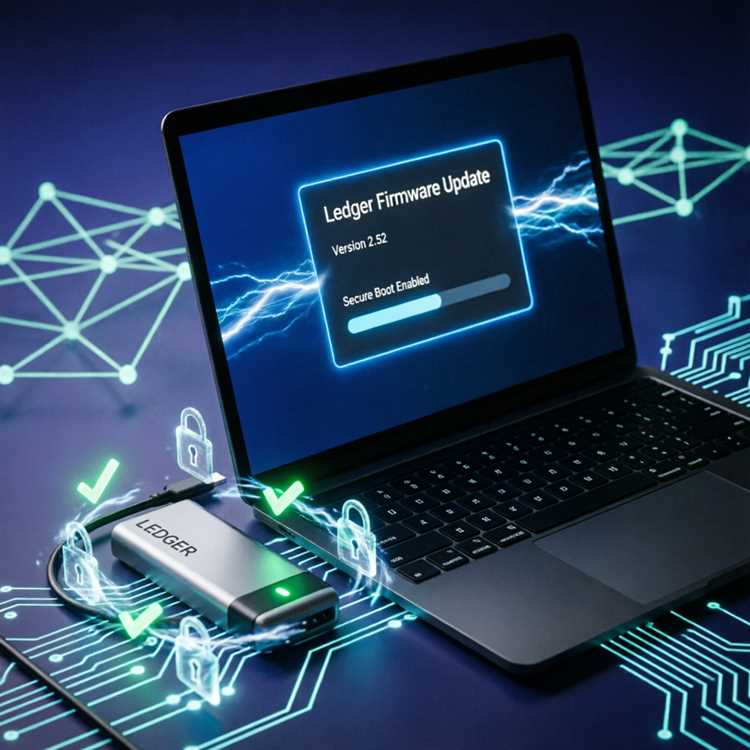
Why Regular Firmware Updates Matter for Your Crypto
Keeping your crypto safe depends on small habits. One of the most important habits involves learning how to update ledger firmware keep your wallet secure. Think of firmware as the brain of your hardware device. Without fresh code, your wallet can miss new safety fixes.
Ledger sends out updates to patch weak spots. Hackers often look for old software to exploit. By staying current, you close those doors. This guide walks you through every step. You will learn to use the Ledger Live app, check your current version, and solve common problems.
Your private keys never leave the device. Updates only improve the communication between your wallet and the app. Ledger ensures each release adds better protection. Delaying an update leaves your funds exposed to known risks.
What Ledger Firmware Update Actually Does
Firmware is the low level code running on your Nano S, X, or Stax. A ledger firmware update changes this core code. It fixes bugs, adds new coin support, and strengthens encryption. Without these updates, your device becomes stuck in time.
Each update goes through testing before release. Ledger signs the firmware to prevent tampering. When you install it, the device checks this signature. This step blocks fake or malicious code from running.
Updating does not touch your private keys. Your seed phrase remains safe. The process only rewrites the operating layer. Think of it like updating your phone's system without deleting your photos.
Security fixes in firmware releases
Security researchers find bugs over time. Ledger patches these in new versions. Installing a Ledger security update closes vulnerabilities. Attackers use known flaws to steal funds. Staying updated stops them cold.
Each release includes a changelog. You can read what changed before installing. Critical fixes get priority. Minor improvements add convenience. Both keep your device running smoothly.
New features added through updates
Updates also bring new capabilities. Support for fresh blockchains appears this way. You might get better battery life or faster transaction speeds. The Ledger firmware version tells you what you have.
For example, version 2.0 added Bluetooth stability. Later versions improved screen animations. Each update builds on the last. Checking for updates monthly is a good habit.
Getting Started with Ledger Live for Updates
Ledger Live is the desktop and mobile app that manages your device. A proper ledger Live update process starts here. Download it only from the official Ledger website. Fake apps steal your seed phrase.
Install the app on your computer or phone. Connect your device via USB cable. For Nano X, you can use Bluetooth. The app detects your model and current firmware.
Ledger Live shows available updates on the dashboard. A red badge indicates a pending update. Clicking it starts the download. Your device will ask you to confirm the action on its screen.
System requirements for Ledger Live
Your computer needs Windows 10 or newer. Mac users need macOS 10.15 or later. Linux works too on Ubuntu 20.04 or similar. Mobile users require iOS 15 or Android 10 and above.
USB connection needs a data cable. Some cables only charge. Use the one that came with your wallet. Bluetooth requires a Nano X and supported phone.
Downloading the correct app version
Visit ledger.com and click the download section. Choose your operating system. Avoid third party download sites. They may bundle malware with the installer.
After installation, open Ledger Live. Set up your password. This password protects the app, not your device. Your recovery phrase remains on the device itself. Ledger wallet basics include keeping this phrase offline.
Step by Step Guide to Install Firmware
Following the exact steps prevents errors. This ledger update guide works for all Nano models. Start by launching Ledger Live on your computer. Make sure your device is unlocked.
Click on the "Manager" option in the left menu. The app will ask you to allow manager mode on your device. Press both buttons on your Nano to confirm. Your device enters a special update mode.
Ledger Live scans for the latest firmware. If it finds an update, a prompt appears. Click "Update." The app downloads the file. Your device screen shows progress bars. Do not disconnect during this time.
After completion, your device restarts. It returns to the main menu. Check the version number in Settings to confirm.
- Open Ledger Live and connect your device.
- Unlock your wallet with your PIN code.
- Navigate to the Manager section.
- Confirm Manager mode on your device screen.
- Click the update button when prompted.
- Wait for the progress to finish.
- Verify the new firmware version in Settings.
What happens during the update process
The device first verifies the update signature. This ensures the file came from Ledger. Then it erases the old firmware. New code gets written into memory. A final verification check runs.
Your installed apps may need reinstallation. Firmware updates can change the app compatibility. Ledger Live reinstalls them automatically in most cases. You might need to confirm each app installation.
Common mistakes to avoid
Never unplug the USB cable during an update. It can brick your device. Do not close Ledger Live until the process ends. A power loss during update corrupts the firmware.
Some users click the device buttons during update. Let the process run without interference. If you see an error, restart Ledger Live. Try the update again from the start.
Troubleshooting Ledger Firmware Issues
Problems happen sometimes. Common ledger firmware issues include stuck progress bars or connection errors. Most have simple solutions. Patience helps here.
First, try a different USB cable. Some cables lack data transfer capability. Use a cable that came with a hard drive or phone. Second, restart both your computer and device. This clears temporary glitches.
Third, close other programs using USB devices. Ledger Live needs exclusive access. Printer software or other wallets can interfere. Ledger NFT security also benefits from clean software setups.
Update gets stuck halfway
A frozen progress bar happens often. Wait at least 10 minutes before acting. Some updates take time to install. If nothing changes, force close Ledger Live.
Reopen the app and reconnect your device. It may show an error state. Follow the on screen recovery steps. Usually this means redoing the update from the beginning.
Device not recognized by Ledger Live
Windows users may need to install drivers. Open Device Manager and look for unknown devices. Ledger provides a driver installer on their website. Mac and Linux rarely have this issue.
Try a different USB port on your computer. Ports on the front of a PC sometimes lose power. Use a port directly on the motherboard. For Bluetooth, unpair and pair again in system settings.
Error messages and their meaning
"Ledger device is locked" means you need to enter your PIN. "Unexpected error" often requires an app restart. "Incompatible firmware" suggests you need an intermediate update.
Check the Ledger status page online. They list known errors and fixes. Most resolve with a simple restart or cable swap. Contact support only if nothing helps.
Checking Your Current Firmware Version
Knowing your version helps decide if an update is needed. The ledger firmware version appears in Settings. Navigate to Settings on your device. Look for "Firmware" or "Version."
Ledger Live also shows this information. Click on the device icon in the top right. A window displays your model and firmware. Compare it to the latest release on Ledger's website.
Major versions get numbers like 2.0. Minor updates have decimals like 2.0.1. Critical security fixes often land in minor updates. Do not skip them.
How to Prepare Your Wallet Before Updating
Preparation prevents data loss. Always back up your recovery phrase first. Write it on the card provided with your wallet. Do not store it digitally.
Check that your seed phrase is correct. Enter it in a recovery test on Ledger Live. This confirms you can restore your wallet if needed. An incorrect backup leaves you locked out.
Ensure your device has enough battery. For Nano X, charge it fully. USB power works during update. But a dead battery can cause issues. Ledger Stax security relies on a charged battery too.
Post Update Steps to Verify Security
An update alone is not enough. You need to verify everything works. Open Ledger Live and check that it recognizes your device. The firmware version should match the latest release.
Test a small transaction. Send a tiny amount of crypto between accounts. Confirm the transaction on your device screen. This verifies the firmware communicates correctly.
Reinstall any apps that went missing. The Ledger secure element handles these apps. Each app provides access to different blockchains. Reinstalling restores your full functionality.
Advanced Security Features Enabled by Updates
New firmware often unlocks extra safety tools. Passphrase support improves in some versions. This adds an extra word to your recovery phrase. Without it, an attacker cannot access your main wallet.
Fido2 support for web authentication appears in recent firmware. This lets you use your Ledger as a security key. It protects your online accounts like email and social media. Ledger wallet value extends beyond crypto storage.
Bluetooth security improves with each Nano X update. Encryption between phone and device gets stronger. Always install these improvements when available. Ledger buying guide recommends models with the latest firmware support.
Passphrase and hidden wallets
A passphrase acts like a 25th word. It creates a completely new wallet. Only you know this word. Update firmware ensures the passphrase feature works correctly.
Hidden wallets protect you under duress. You can show an alternate account with small funds. Your real wealth stays secret. This feature requires firmware support.
Support for new cryptocurrencies
Blockchains launch constantly. Ledger adds support through firmware and app updates. A ledger firmware update might add Coreum, Sei, or Sui. Check release notes for new additions.
Without the update, your device cannot sign transactions for new coins. You would need to wait for the next release. Staying updated gives you immediate access.
Ledger Accessories for Safe Updates
Using the right accessories makes updates smoother. A good cable prevents disconnection issues. A cable with data transfer capability is essential. Charging only cables cause failures.
| Accessory | Price Range | Compatibility | Use Case |
|---|---|---|---|
| Official USB cable | $10 - $15 | All Nano models | Data transfer for updates |
| USB hub powered | $20 - $40 | Desktop computers | Stable power during update |
| OTG adapter | $5 - $10 | Android phones | Mobile updates via USB |
| Bluetooth dongle | $15 - $30 | Nano X | Wireless connection to PC |
| Protective case | $10 - $25 | All models | Physical protection |
Ledger Nano S Plus durability makes it a good travel companion. A case keeps the screen scratch free. An extra cable provides a backup if one fails.
Frequently Asked Questions About Firmware Updates
How long does a firmware update take? Normally 5 to 15 minutes. Large updates may take 30 minutes. Do not interrupt the process.
Can I lose my crypto during an update? No. Your private keys stay on the device. The update only changes firmware code. Your funds remain safe.
Do I need to reinstall apps after every update? Not always. Major version changes may require reinstallation. Ledger Live automates this for you.
What if my device turns off during update? Contact Ledger support immediately. They can guide recovery. A bricked device rarely happens with modern firmware.
Is updating via Bluetooth slower? Yes. USB is faster and more stable. Use Bluetooth only if necessary. Nano X supports both methods.
How often should I check for updates? Once a month is good. Ledger Live notifies you when updates are available. Enable notifications in the app.